Start Your Solution
To help you efficiently complete pipeline valve selection, we have sorted out the following key steps and required information to ensure that the selected valve delivers optimal performance in your application scenario:
manual, electric, pneumatic, hydraulic
valve body, valve cover, valve stem, valve disc, sealing surface materials
gate valves, globe valves, butterfly valves, ball valves, etc.
closed-circuit valves, regulating valves, safety valves, etc.
rotating stem, lifting stem, etc.
insert ring, threaded ring, overlay welding, spray welding, valve body itself
flange connection, threaded connection, clamp connection, external thread connection, welded end connection, etc.
valve body length and overall height
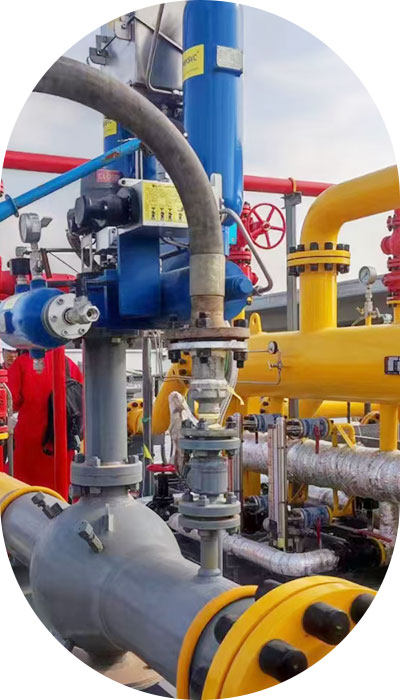

Provide fluid characteristics such as temperature range, pressure range, viscosity, and corrosivity. For instance, high-temperature or corrosive media require special materials (e.g., high-temperature resistant alloys or linings). These parameters directly influence the weather resistance and sealing design of the valve material.

Specify the fluid flow rate per unit time (e.g., m³/h) and operating pressure range. This determines the valve's nominal diameter (DN) and pressure rating (e.g., PN16), ensuring the valve can withstand actual loads and match the pipeline system.


Fluid properties (temperature, pressure, corrosivity)
Flow and pressure parameters
Valve function requirements (on/off / regulation)
Operation mode and automation level
Installation environment description (space, climate, surrounding media)

Select the valve type—stop valve, regulating valve, safety valve, etc.

Determine the role of the valve in the equipment or device. Determine its working conditions, such as the media it controls, operating pressure and temperature.







 Chat Oline