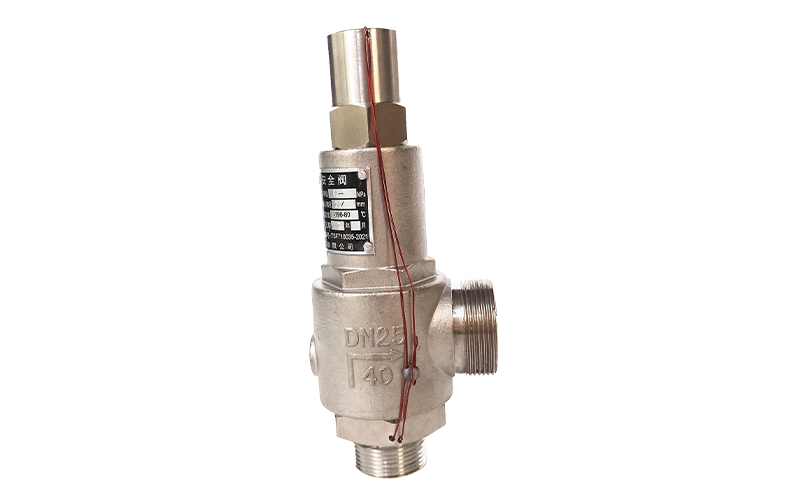
Cryogenic Valve
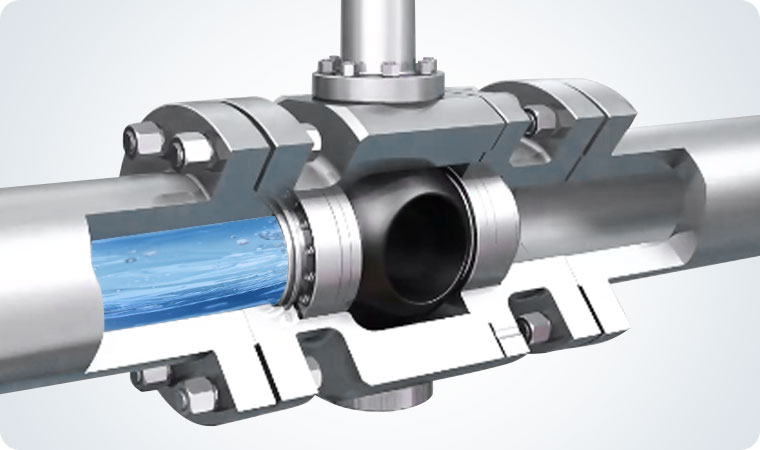
Low temperature valve is a general term for valves designed for low-temperature environments with medium temperatures ranging from -40 ℃ to -196 ℃. Its core function is to control the stable flow of flammable and explosive liquid media (such as liquid oxygen and liquefied natural gas) at low temperatures, preventing gasification expansion from causing leaks or explosions. The main features include:
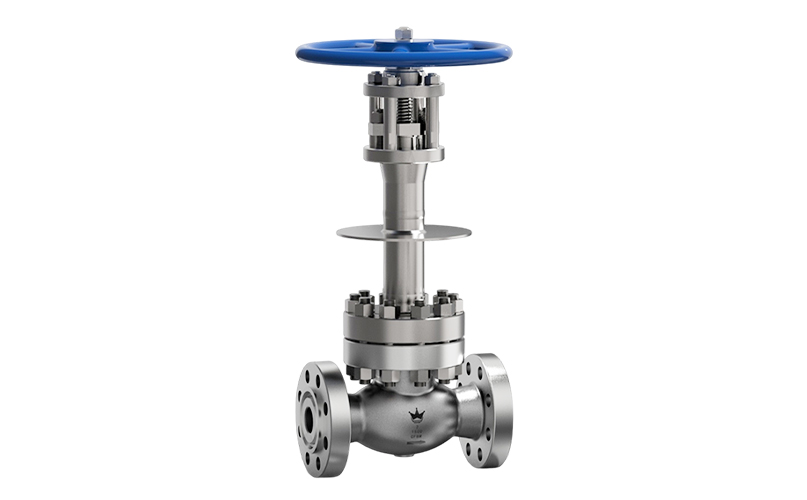
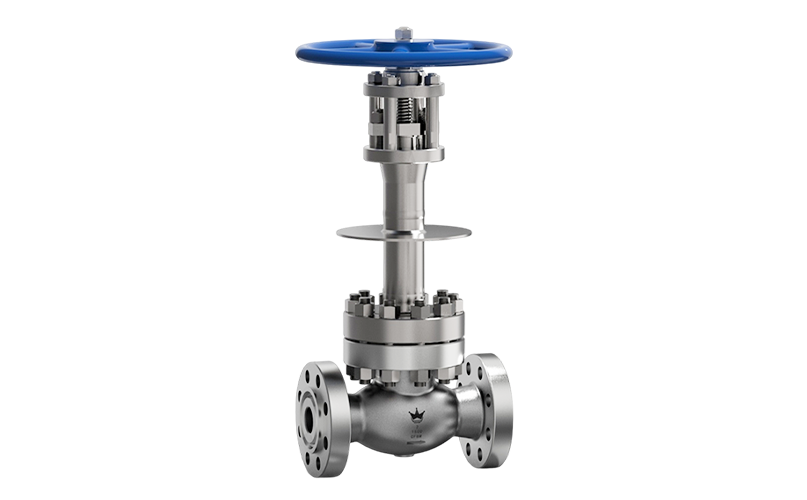
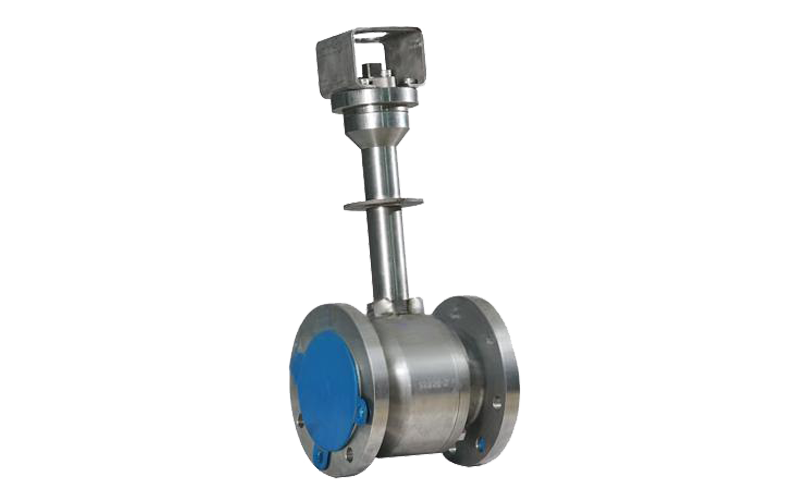
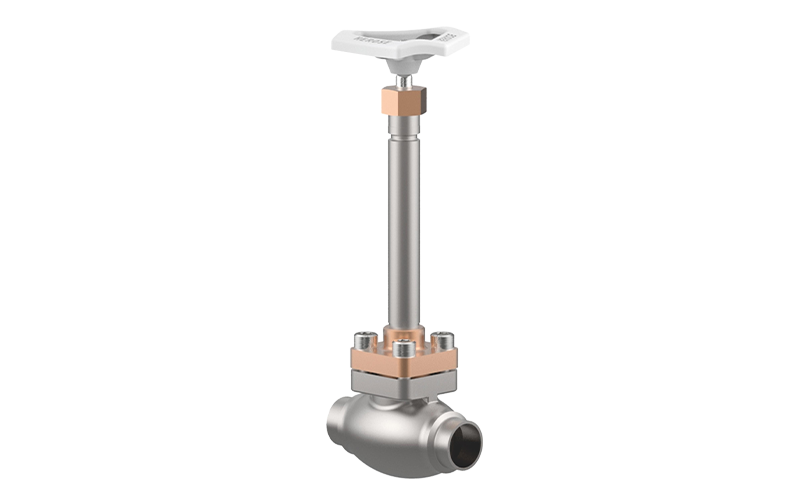
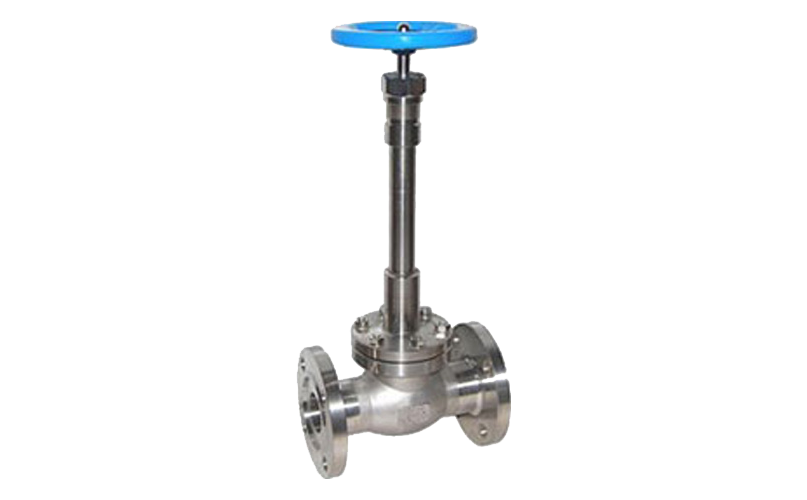
Long neck valve cover design: isolate the packing box from the low temperature zone to prevent the valve stem from frosting and getting stuck;
Special low-temperature materials, such as LCB (-46 ℃), LC3 (-101 ℃), CF8 (304) (-196 ℃), etc., ensure the toughness of the materials at low temperatures;
Strengthen sealing structure: Optimize the sealing surface according to the characteristics of low-temperature media to prevent leakage.
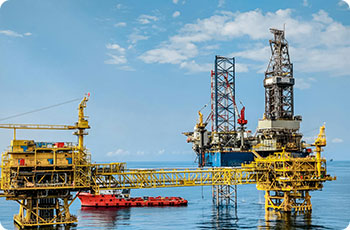
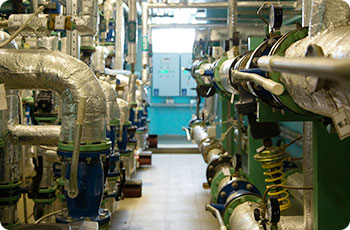
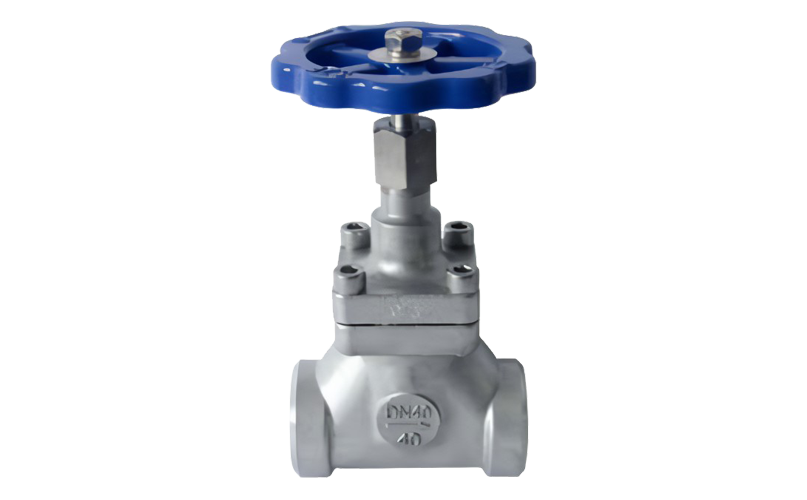
Common types include low-temperature ball valves, gate valves, globe valves, butterfly valves, etc., which are widely used in liquefied natural gas (LNG) storage and transportation, air separation equipment, liquid hydrogen/liquid helium systems, and other scenarios.