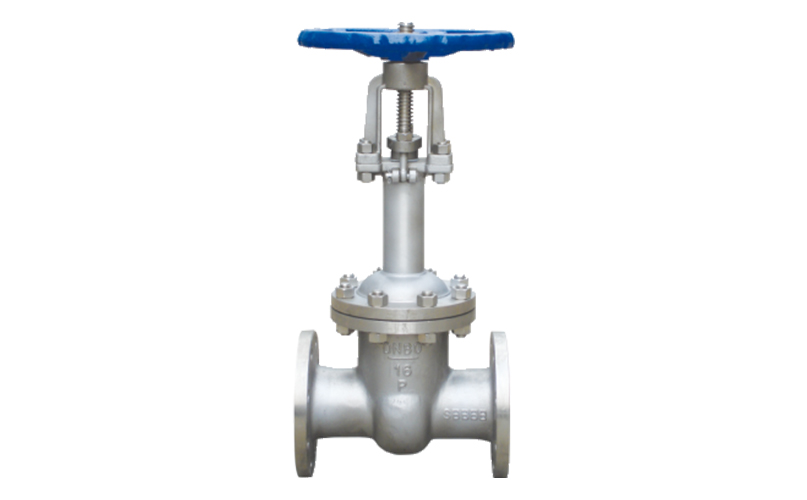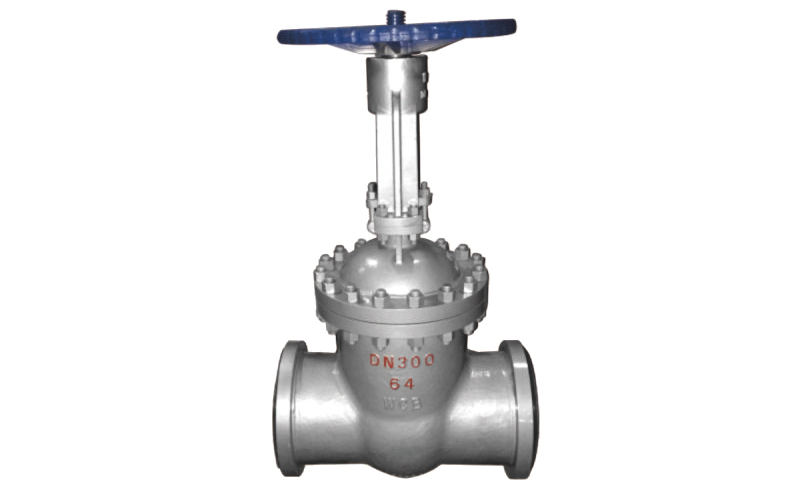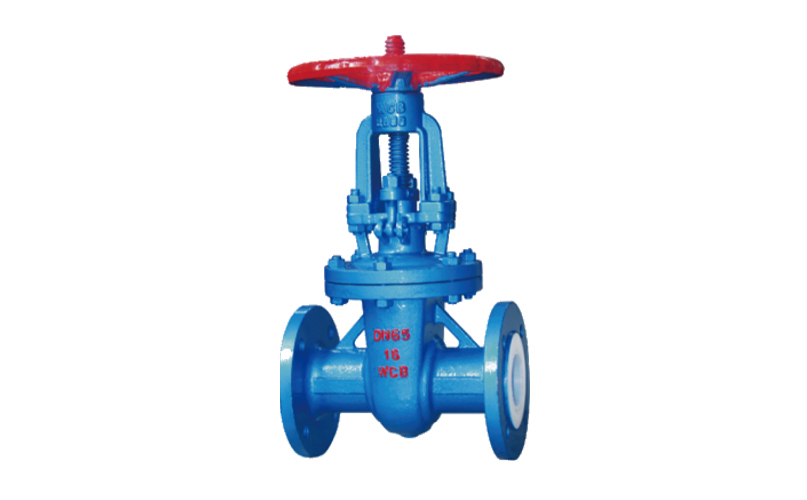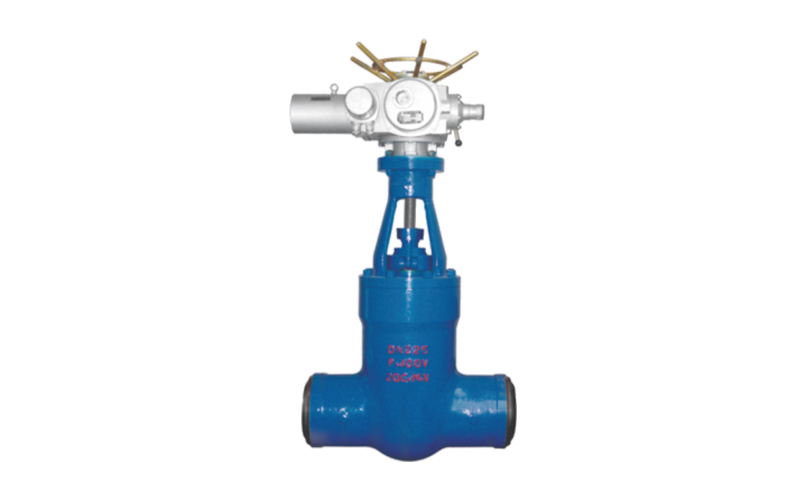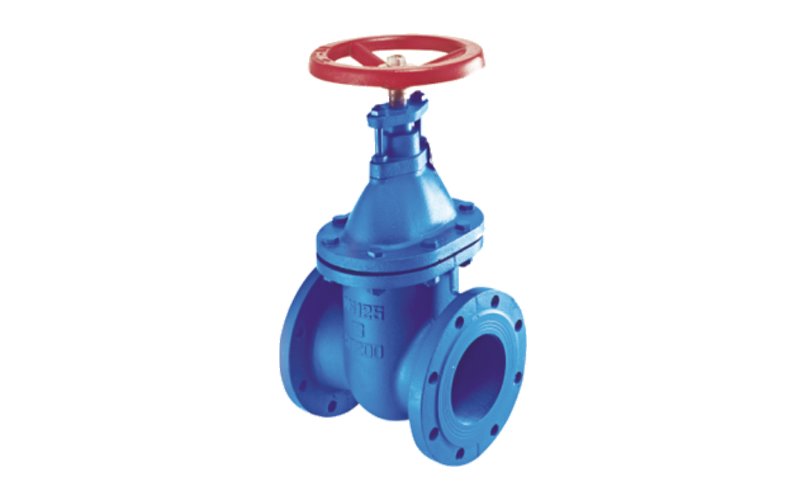
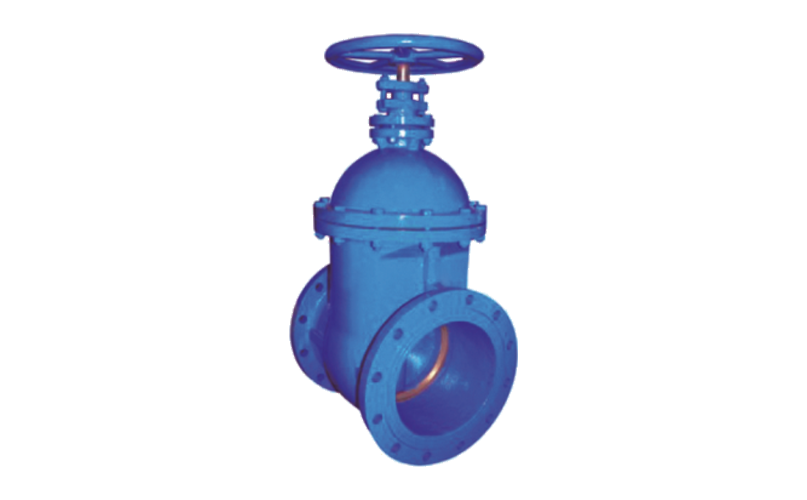
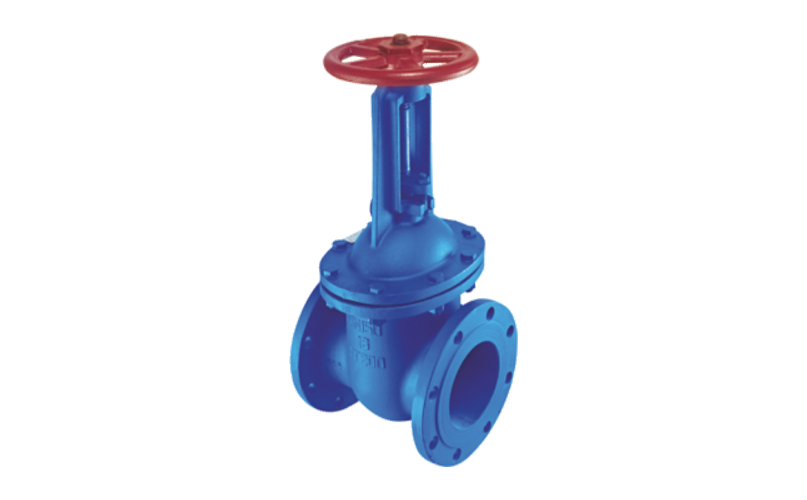
Copper sealed gate valve is a type of valve that uses copper or copper alloy as the core sealing material, and achieves reliable closure through a metal to metal hard sealing structure. It is specifically designed for corrosive media or high temperature and high pressure environments. Its characteristics include:
Material characteristics: The sealing surface is made of copper alloy, which is resistant to oxidation, acid and alkali corrosion, and suitable for water, steam, oil and weakly corrosive gases;
Structural design: Bidirectional elastic seal or wedge-shaped gate design, ensuring tight fit under high pressure and low leakage rate;
Application scenarios: Commonly used in chemical pipelines, HVAC systems, water supply and drainage, and gas transportation, with a temperature tolerance of up to 250 ℃ and a pressure of ≤ 6.4MPa;
Core advantages: Reliable sealing, erosion resistance, easy maintenance, significantly longer service life than ordinary soft sealed valves.
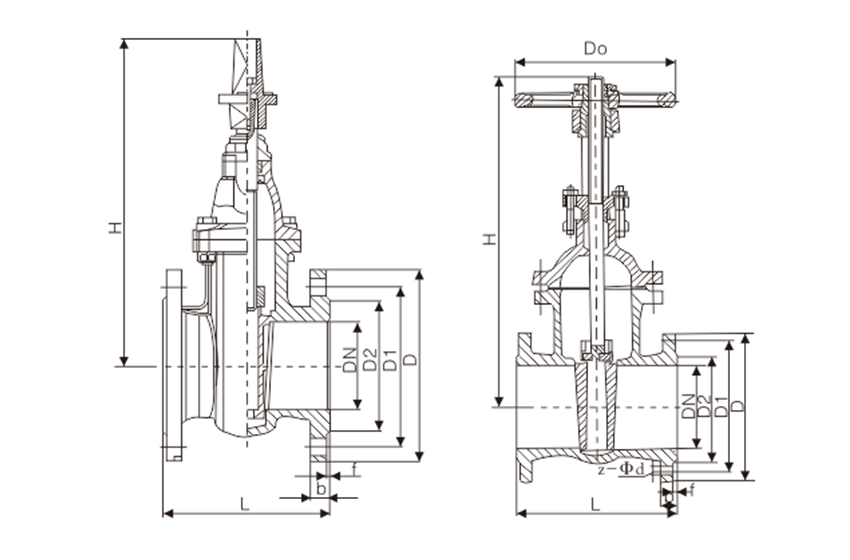
Part Name | material |
Valve body and valve cover | Grey cast iron, ductile iron |
ram | ductile cast iron |
valve stem | Carbon steel, brass, stainless steel |
stem nut | brass |
handwheel | ductile cast iron |

Nominal diameter DN (mm) | L | D | D1 | D2 | b-f | Z-Φd | H | Do |
PN1.0MPa | ||||||||
40 | 165 | 150 | 110 | 84 | 19-3 | 4-19 | 330 | 180 |
50 | 178 | 165 | 125 | 99 | 19-3 | 4-19 | 340 | 180 |
65 | 190 | 180 | 145 | 118 | 19-3 | 4-19 | 350 | 180 |
80 | 203 | 200 | 160 | 132 | 19-3 | 8-19 | 395 | 220 |
100 | 229 | 220 | 180 | 156 | 19-3 | 8-19 | 425 | 220 |
125 | 254 | 250 | 210 | 184 | 19-3 | 8-19 | 515 | 280 |
150 | 280 | 285 | 240 | 211 | 19-3 | 8-23 | 570 | 280 |
200 | 330 | 340 | 295 | 266 | 20-3 | 8-23 | 685 | 315 |
250 | 380 | 395 | 350 | 319 | 22-3 | 12-23 | 965 | 406 |
300 | 420 | 445 | 400 | 370 | 24.5-4 | 12-23 | 1070 | 406 |
350 | 450 | 505 | 460 | 429 | 24.5-4 | 16-23 | 1210 | 500 |
400 | 480 | 565 | 515 | 480 | 24.5-4 | 16-28 | 1370 | 500 |
450 | 510 | 615 | 565 | 530 | 25.5-4 | 20-28 | 1460 | 500 |
500 | 540 | 670 | 620 | 582 | 26.5-4 | 20-28 | 1710 | 655 |
600 | 600 | 780 | 725 | 682 | 30-5 | 20-31 | 2130 | 655 |
PN1.6MPa | ||||||||
40 | 165 | 150 | 110 | 84 | 19-3 | 4-19 | 330 | 180 |
50 | 178 | 165 | 125 | 99 | 19-3 | 4-19 | 340 | 180 |
65 | 190 | 185 | 145 | 118 | 19-3 | 4-19 | 350 | 180 |
80 | 203 | 200 | 160 | 132 | 19-3 | 8-19 | 395 | 220 |
100 | 229 | 220 | 180 | 156 | 19-3 | 8-19 | 425 | 220 |
125 | 254 | 250 | 210 | 184 | 19-3 | 8-19 | 515 | 280 |
150 | 280 | 285 | 240 | 211 | 19-3 | 8-23 | 570 | 280 |
200 | 330 | 340 | 295 | 266 | 20-3 | 12-23 | 685 | 315 |
250 | 380 | 405 | 355 | 319 | 22-3 | 12-28 | 965 | 406 |
300 | 420 | 460 | 410 | 370 | 24.5-4 | 12-28 | 1070 | 406 |
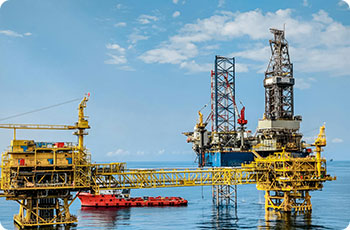
Oil and gas transportation involves multiple modes such as pipelines and ships, and is the core link of the energy supply chain.

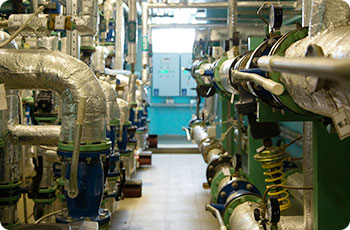
The control of chemical raw materials covers the entire process of mining, storage, and production, ensuring safety and process stability.

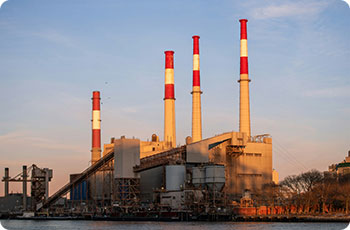
High temperature steam pipelines are the core of energy transmission in power systems, supporting the efficient operation of thermal and nuclear power plants.

Valves control fluids in multiple industries such as new energy and electronics, ensuring safe and efficient production.