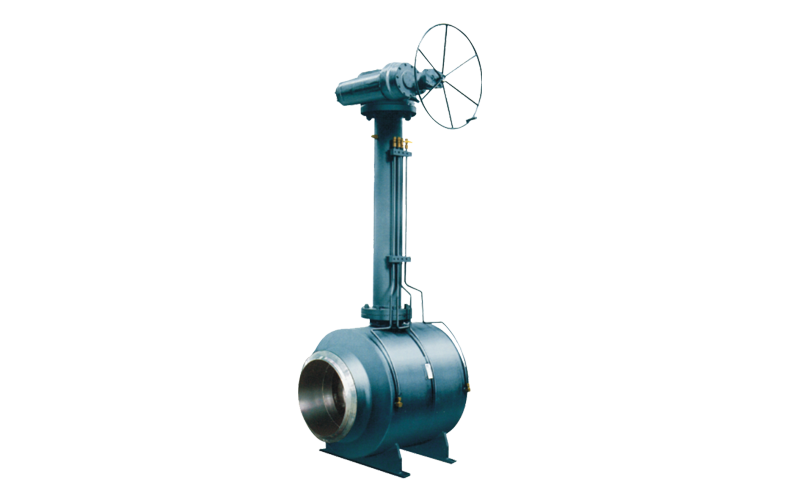
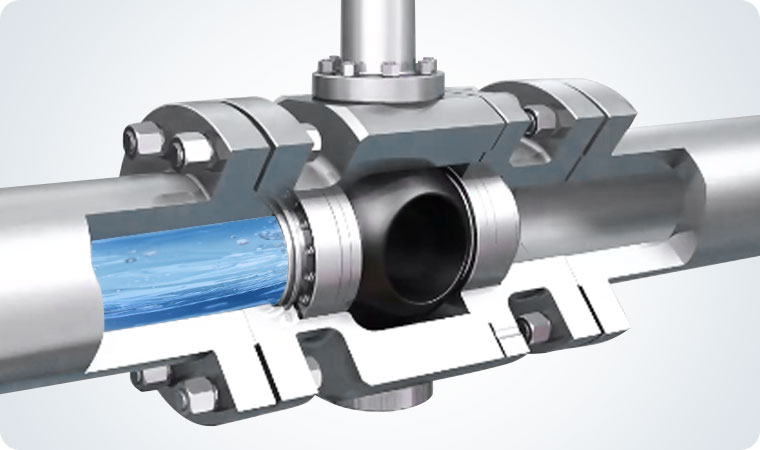
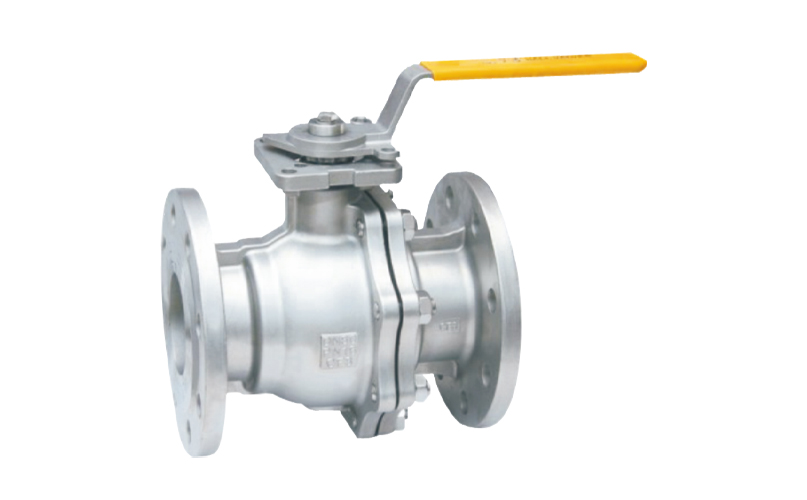
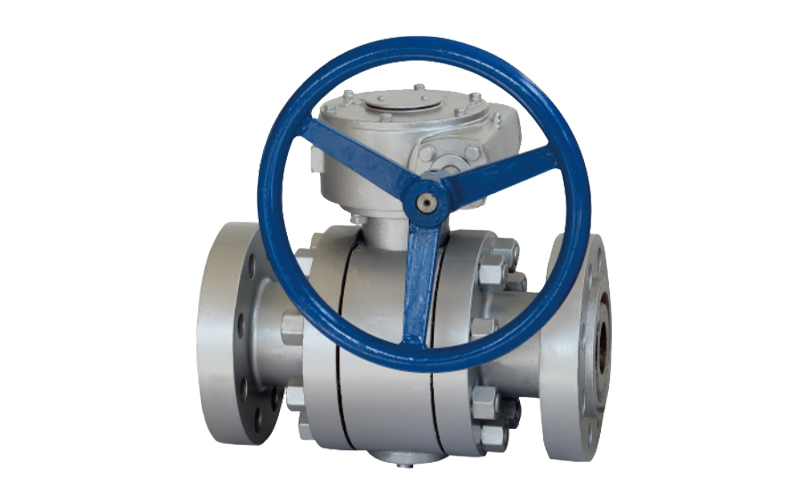
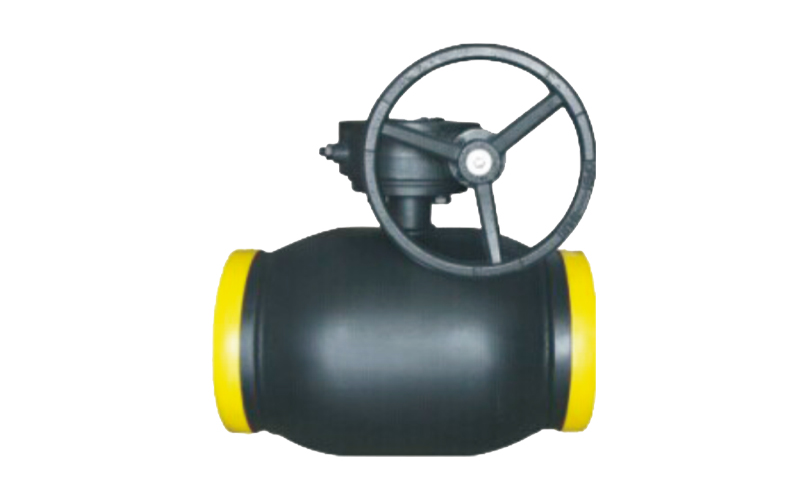
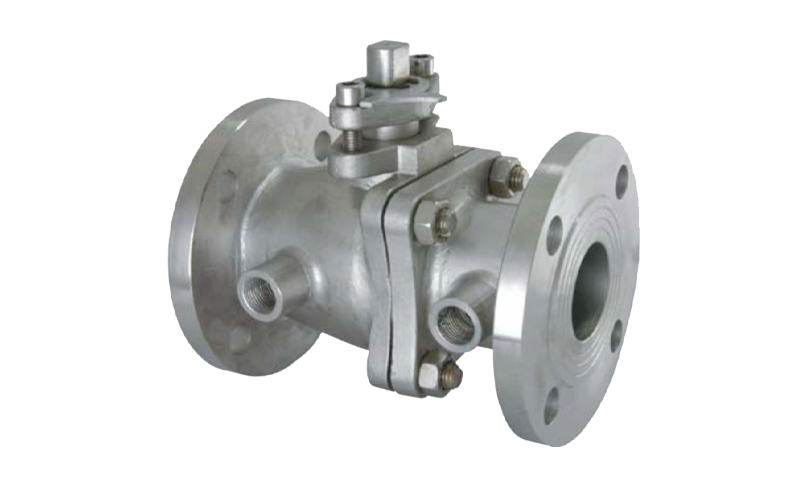
A valve directly buried underground, using a fully welded integrated structure, without the need for a valve well, with strong sealing, high pressure resistance, and corrosion resistance. It is suitable for underground pipelines such as gas and heating, with low maintenance costs and long service life.

Double sealing design (metal+elastic material), enhanced sealing force by medium pressure, no leakage under extreme working conditions.
Fireproof and anti-static structures ensure the integrity of valves in case of emergencies such as fires.
Support electric, pneumatic, or remote control (such as RTU signals) to meet the remote operation needs of underground environments.
Low torque design, quick opening and closing with 90 ° rotation, easy to operate and responsive.

The valve body material is consistent with the pipeline (such as PERT, stainless steel), avoiding electrochemical corrosion, and the annual corrosion rate is as low as 0.1mm or less.
Resistant to corrosive media such as hydrogen sulfide and acid alkali, suitable for transporting high-risk fluids such as natural gas and petroleum.
The welded structure can withstand pressure levels above PN25 and is suitable for high-pressure scenarios such as heating pipelines and long-distance pipelines.
The sealing material has a wide temperature resistance range (-40 ° C~350 ° C), meeting the requirements of high-temperature media such as steam and thermal oil.

No need to build valve wells, reducing civil engineering costs by 30% -50% and shortening construction period by more than 50%, especially suitable for urban underground pipeline dense areas.
Compact structure saves installation space and reduces construction complexity.
The aging resistance of fluororubber seals has been improved by three times, and their lifespan can reach more than 15 years (verified at -40 ° C~80 ° C), showing significant advantages over traditional valves with a maintenance cycle of 2-3 years.
The maintenance cost throughout the entire lifecycle is approaching zero, and the worn seals can be automatically compensated by springs without the need for frequent replacement.

The valve body and pipeline are connected by full welding, eliminating traditional connection methods such as flanges and bolts, reducing leakage risks, and significantly improving sealing performance.
The welded structure enhances overall strength, with better seismic and pressure resistance than split type valves, and can withstand soil pressure and mechanical impact in buried environments.
The valve seat and sphere are designed with isolation, so that impurities in the medium cannot directly flush the sealing surface, avoiding loose valve closure.
When the sphere rotates, sediment can be scraped off, and the elastic valve seat spring compensates for wear, maintaining long-term sealing reliability.
Part Name | Material | ||
Valve body, valve cover, bracket | WCB | ZG1Cr18Ni9Ti | ZG0Cr18Ni12Mo2Ti |
sphere | ZG2Cr13 hard chromium plating | ZG1Cr18Ni9Ti/HF | ZG0Cr18Ni12Mo2Ti/HF |
valve stem | 2Cr13 | 1Cr18Ni9Ti | OCr18Ni12Mo2Ti |
valve seat | PTFE/2Cr13 | 1Cr18Ni9Ti/HF | OCr18Ni12Mo2Ti/HF |
filler | PTFE/flexible graphite | ||
bolt | 35 | 1Cr17Ni2 | 1Cr17Ni2 |
nut | 45 | OCr18Ni9 | OCr18Ni9 |

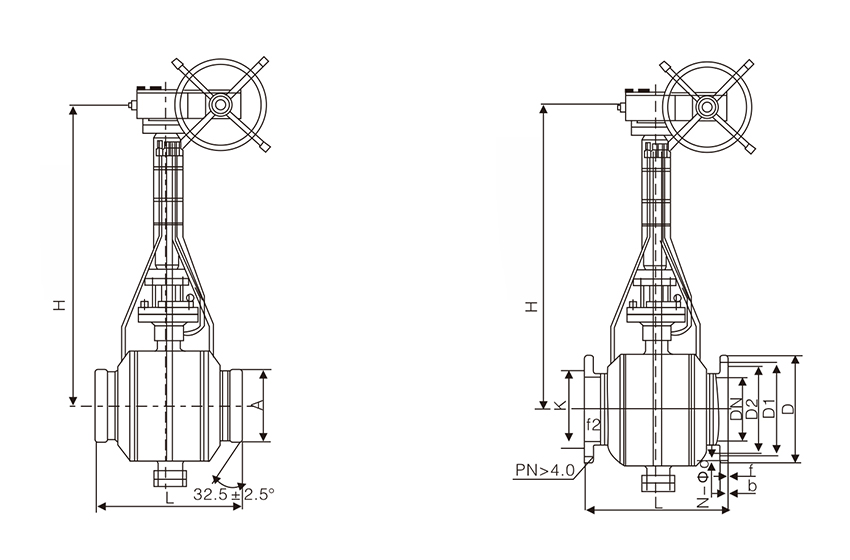
Nominal Diameter | Welding connection size (mm) | PN1.6MPa | |||||||||
L | A | L | D | D1 | D2 | b | f | K | f2 | N-Φd | |
50 | 216 | 65 | 178 | 165 | 125 | 99 | 16 | 2 | - | - | 4-18 |
65 | 241 | 80 | 190 | 185 | 145 | 118 | 18 | 2 | - | - | 4-18 |
80 | 283 | 95 | 203 | 200 | 160 | 132 | 20 | 2 | - | - | 8-18 |
100 | 305 | 115 | 229 | 220 | 180 | 156 | 22 | 2 | - | - | 8-18 |
150 | 457 | 165 | 394 | 285 | 240 | 211 | 24 | 2 | - | - | 8-22 |
200 | 521 | 225 | 457 | 340 | 295 | 266 | 24 | 2 | - | - | 12-22 |
250 | 559 | 280 | 533 | 405 | 355 | 319 | 26 | 2 | - | - | 12-26 |
300 | 635 | 330 | 610 | 460 | 410 | 370 | 28 | 2 | - | - | 12-26 |
350 | 762 | 385 | 686 | 520 | 470 | 429 | 30 | 2 | - | - | 16-26 |
400 | 838 | 440 | 762 | 580 | 525 | 480 | 32 | 2 | - | - | 16-26 |
450 | 914 | 490 | 864 | 640 | 585 | 548 | 40 | 2 | - | - | 16-30 |
500 | 991 | 550 | 914 | 715 | 650 | 609 | 44 | 2 | - | - | 20-30 |
600 | 1143 | 660 | 1067 | 715 | 650 | 609 | 44 | 2 | - | - | 20-33 |
700 | 1346 | 765 | 1245 | 960 | 820 | 820 | 50 | 5 | - | - | 20-36 |
800 | 1524 | 870 | 1372 | 1085 | 928 | 928 | 54 | 5 | - | - | 24-36 |
900 | 1727 | 970 | 1524 | 1185 | 1028 | 1028 | 58 | 5 | - | - | 24-39 |
1000 | 1780 | 1080 | 1721 | 1320 | 1140 | 1140 | 62 | 5 | - | - | 28-39 |
1200 | 2100 | 1290 | 2032 | 1530 | 1350 | 1350 | 70 | 5 | - | - | 28-42 |
1400 | 2250 | 1500 | 2300 | 1755 | 1560 | 1560 | 76 | 5 | - | - | 32-48 |
Note: The above data is for reference only. For details, please consult the company's sales department.

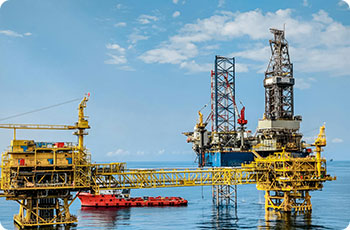
Oil and gas transportation involves multiple modes such as pipelines and ships, and is the core link of the energy supply chain.

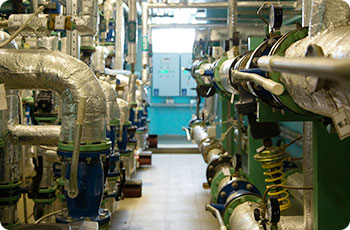
The control of chemical raw materials covers the entire process of mining, storage, and production, ensuring safety and process stability.

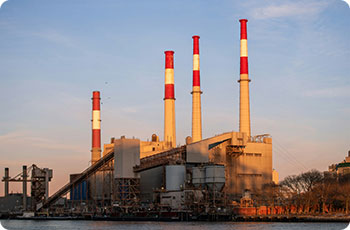
High temperature steam pipelines are the core of energy transmission in power systems, supporting the efficient operation of thermal and nuclear power plants.

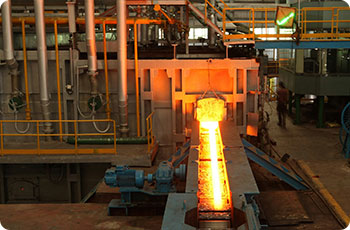
Valves control fluids in multiple industries such as new energy and electronics, ensuring safe and efficient production.