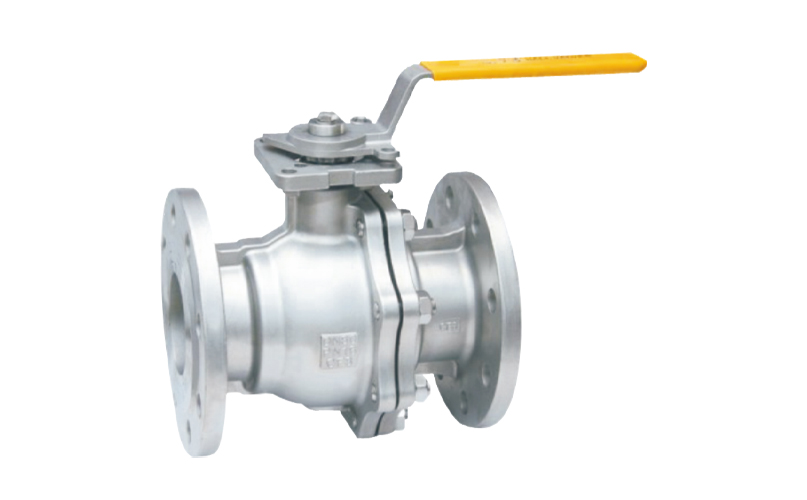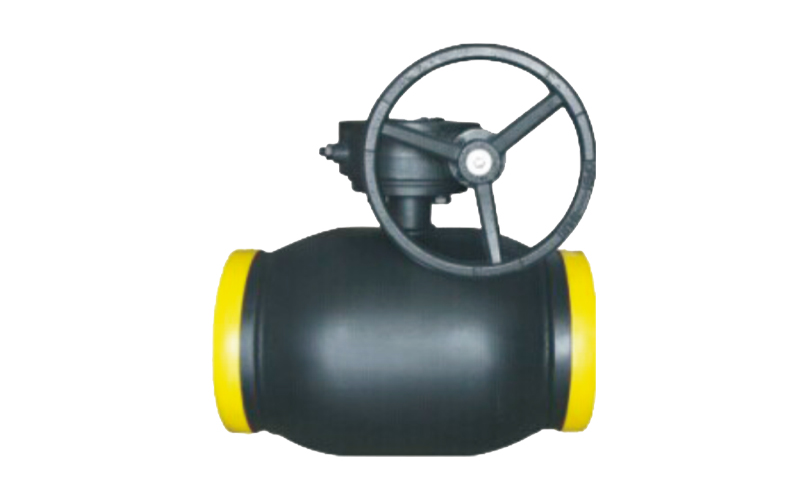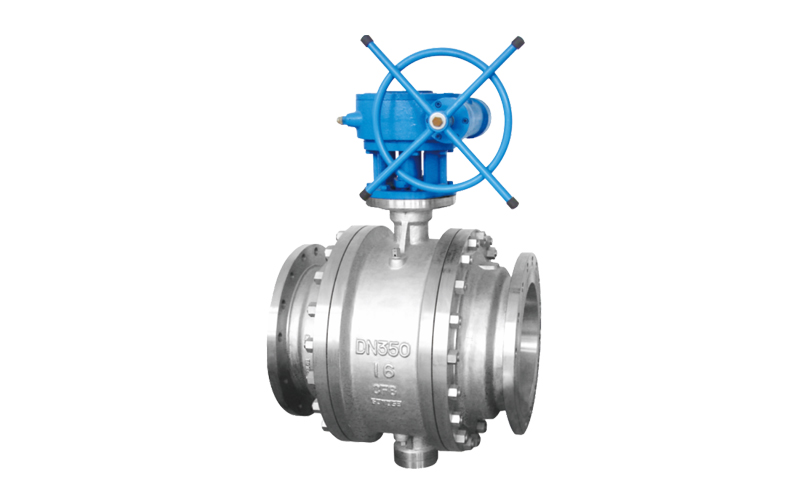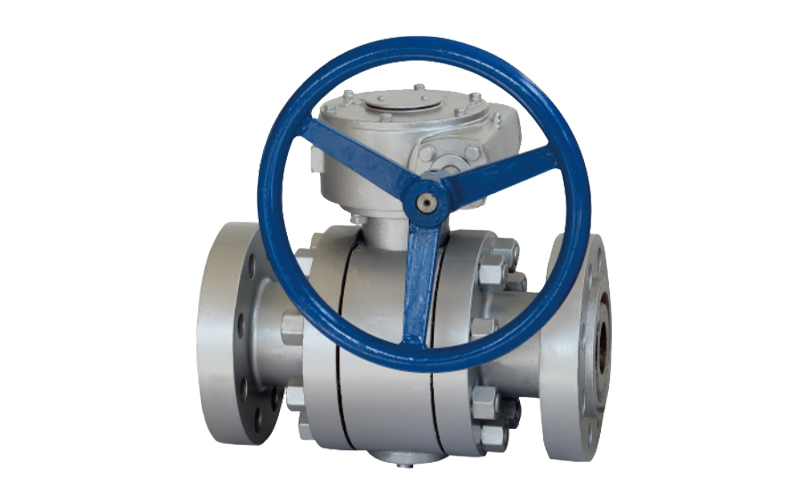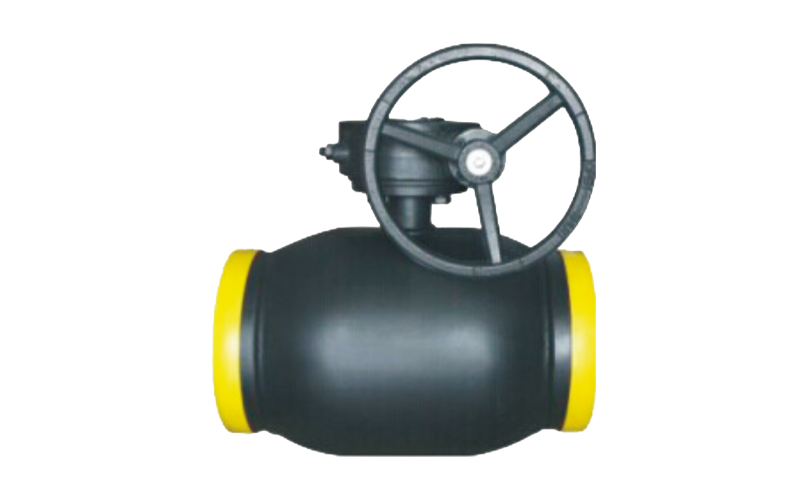
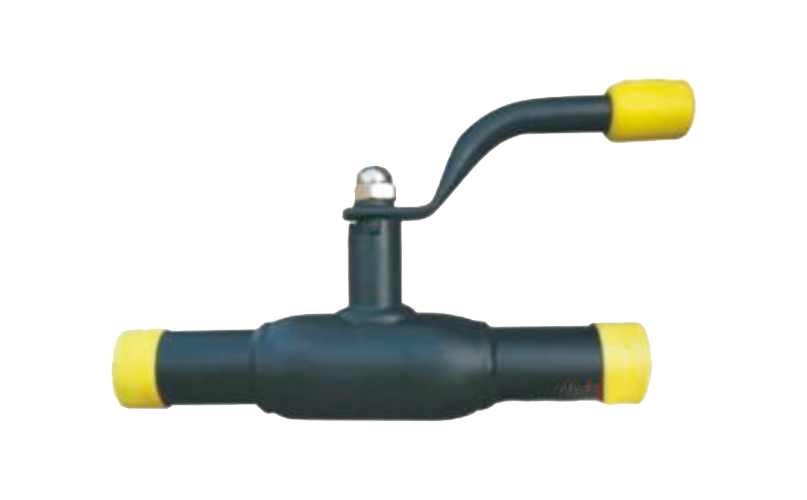
The standard fully welded steel ball valve is a type of ball valve that adopts a fully welded valve body structure, consisting of a carbon steel valve body and a stainless steel ball body. The flange connection is eliminated through welding technology to ensure zero leakage. The valve seat adopts carbon reinforced fluorone sealing gasket and inclined elastic structure, which can maintain reliable sealing in frequent operation, pressure fluctuations, and media containing impurities.
Mainly suitable for heating systems, industrial pipelines, urban gas and other scenarios, transporting water, oil, air and non corrosive fluids, with a temperature resistance range of -29 ℃ to 200 ℃, and a pressure rating of up to 42MPa.
Advantages include long lifespan, corrosion resistance, low maintenance, and suitability for harsh working conditions.
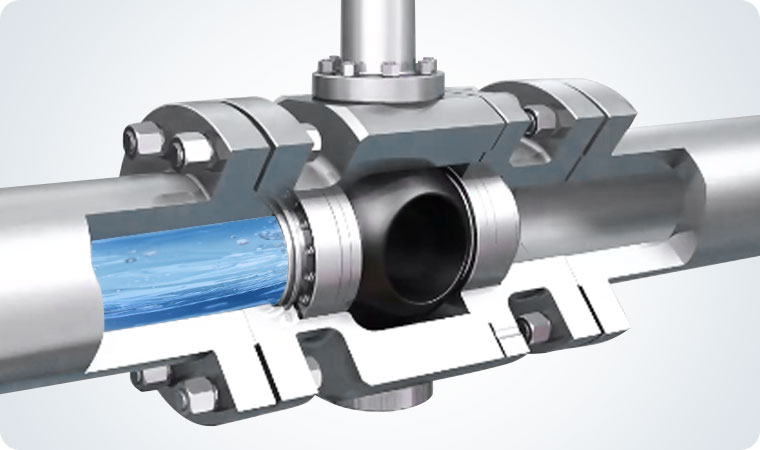

Part Name | material |
valve body | Carbon steel St37.8 |
Valve stem bearing | PTFE+SPCB |
sphere | 304 stainless steel |
valve stem | 2Cr13 |
valve seat | 25%C+PTFE |
metal washer | 60Si2MN |
spring | 60Si2MN |
O-ring | FPM |
take over | Carbon steel St. 37.8 |
handle | Carbon steel+HCr |
O-ring | FPM |
press-fit sleeve | 304 |

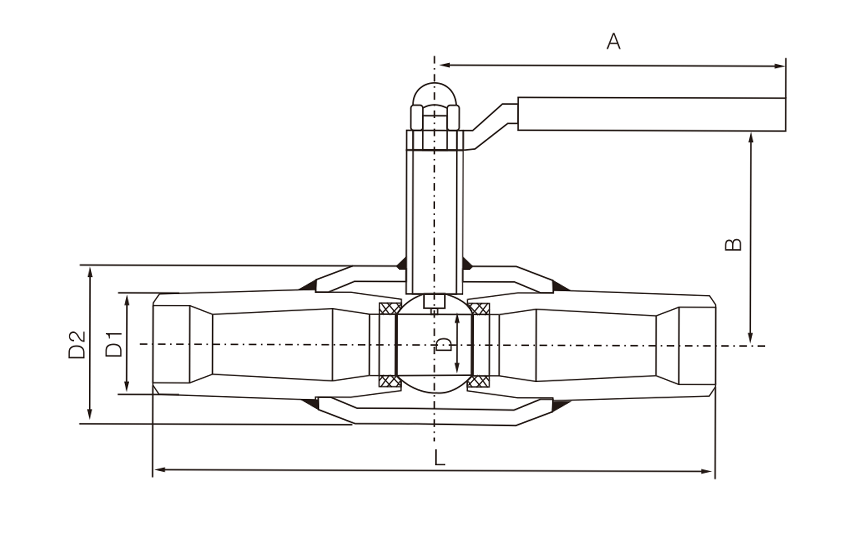
DN(mm) | NPS(in) | A | B | L | D | D1 | D2 | weight | |
GB | EN | ||||||||
15 | 3/8 | 129 | 64 | 210 | 15 | 18 | 21.3 | 42 | 0.8 |
20 | 3/4 | 129 | 64 | 230 | 15 | 25 | 26.7 | 42 | 1.0 |
25 | 1 | 159 | 76 | 230 | 20 | 32 | 33.4 | 48 | 1.4 |
32 | 1 1/4 | 159 | 85 | 260 | 25 | 42 | 42.2 | 60 | 1.9 |
40 | 1 1/2 | 230 | 95 | 300 | 32 | 48 | 48.3 | 76 | 2.3 |
50 | 2 | 230 | 100 | 300 | 40 | 57 | 60.3 | 89 | 4 |
65 | 2 1/2 | 300 | 159 | 300 | 50 | 76 | 76.1 | 114 | 5 |
80 | 3 | 300 | 170 | 300 | 65 | 89 | 88.9 | 140 | 7 |
100 | 4 | 450 | 192 | 325 | 80 | 108 | 114.3 | 185 | 10.5 |
125 | 5 | 450 | 208 | 325 | 100 | 133 | 141.3 | 216 | 15 |
150 | 6 | 450 | 241 | 350 | 125 | 159 | 168.3 | 219 | 24 |
Note: The above data is for reference only. For details, please consult the company's sales department.
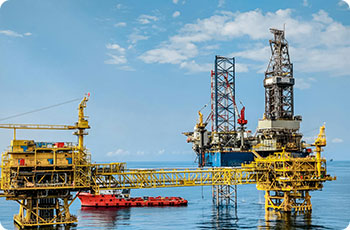
Oil and gas transportation involves multiple modes such as pipelines and ships, and is the core link of the energy supply chain.

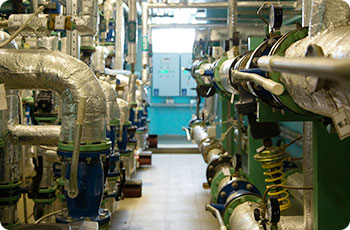
The control of chemical raw materials covers the entire process of mining, storage, and production, ensuring safety and process stability.

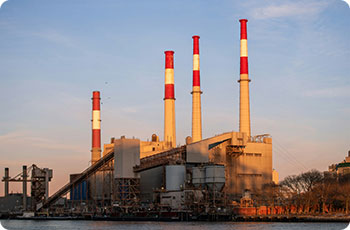
High temperature steam pipelines are the core of energy transmission in power systems, supporting the efficient operation of thermal and nuclear power plants.

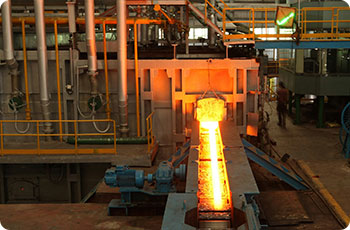
Valves control fluids in multiple industries such as new energy and electronics, ensuring safe and efficient production.