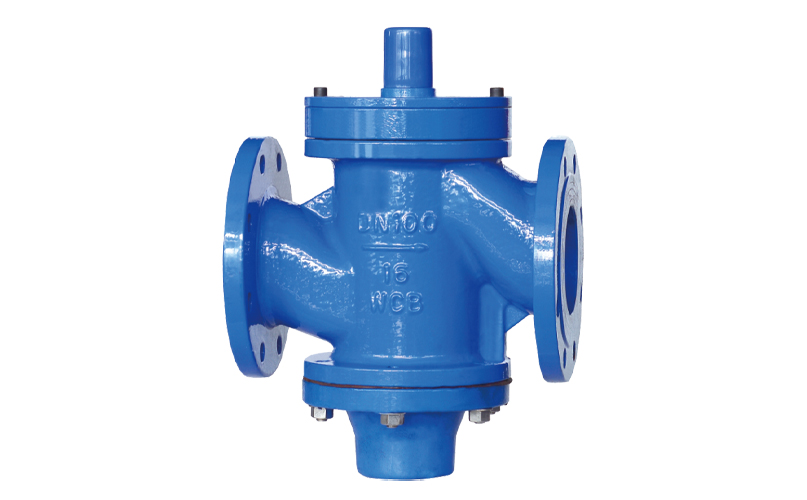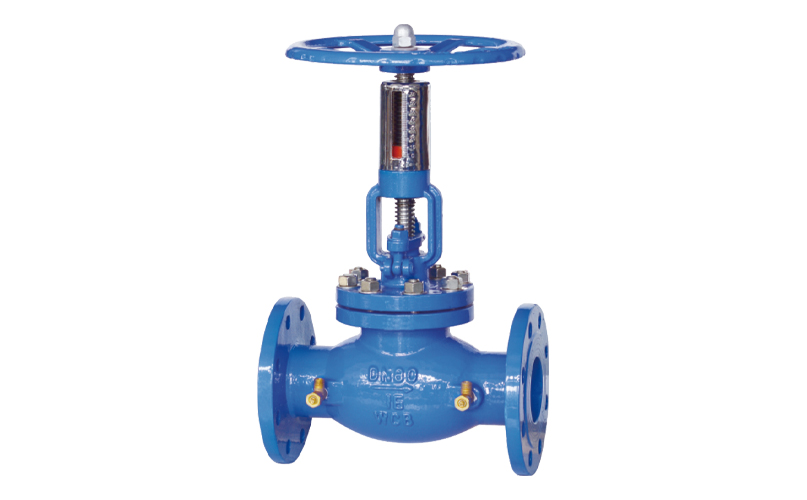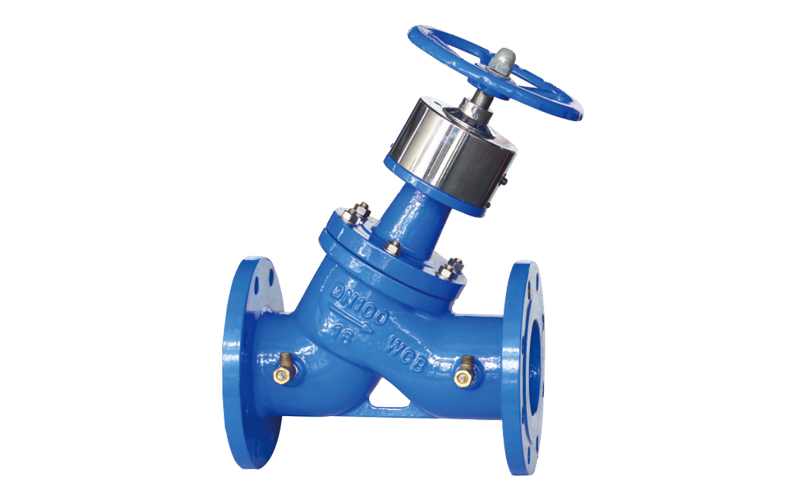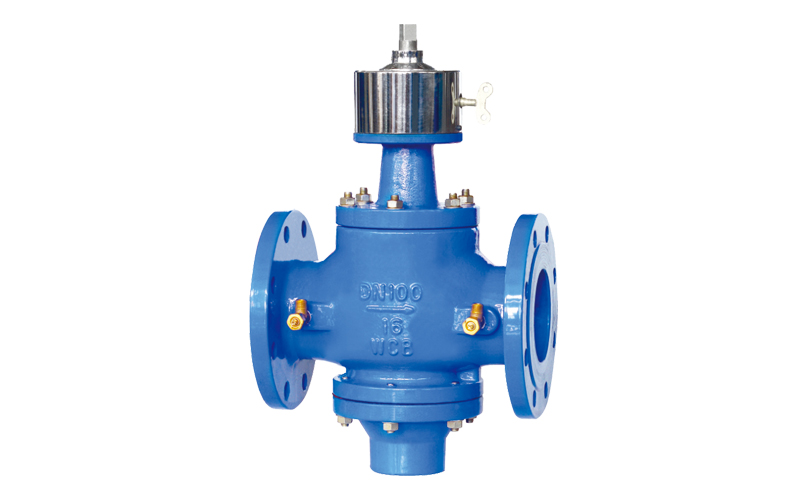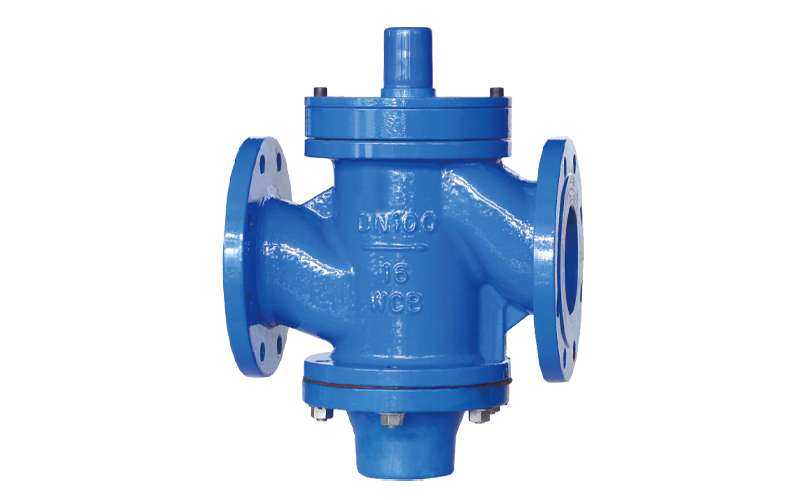
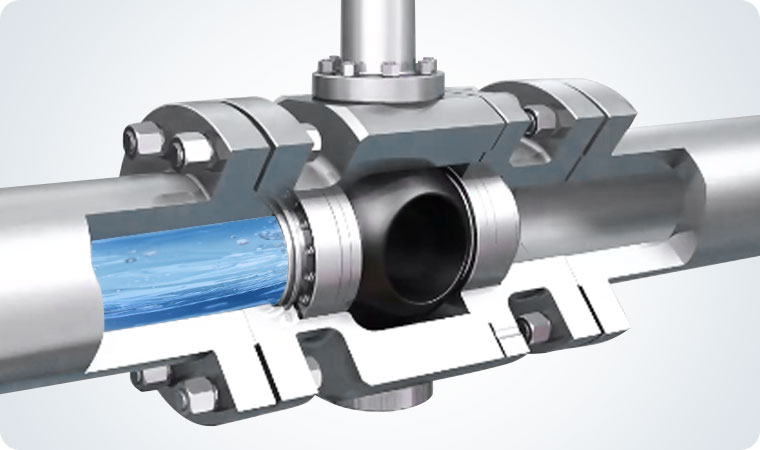
Self balancing valve is a type of valve that does not require external power and relies on the system's own pressure difference to achieve automatic flow regulation. The core principle is to use a built-in spring diaphragm mechanism to sense changes in inlet and outlet pressure difference, automatically adjust the valve core opening to maintain a constant set flow rate. Compared to manual balancing valves, it can dynamically respond to pressure fluctuations in the pipeline network (such as pump start stop or branch flow changes), eliminate hydraulic imbalance in real time, and ensure stable flow of end equipment. Mainly used in HVAC, district heating and other systems, it has the advantages of energy saving (reducing excessive flow waste), no manual debugging, and reducing maintenance costs. The typical structure integrates flow scale display and preset functions, and some models can be upgraded to intelligent control with actuators.
Part Name | material |
valve body | Grey cast iron, ductile iron, cast steel |
valve stem | stainless steel |
valve disc | bronze casting |
diaphragm | Nitrile rubber |

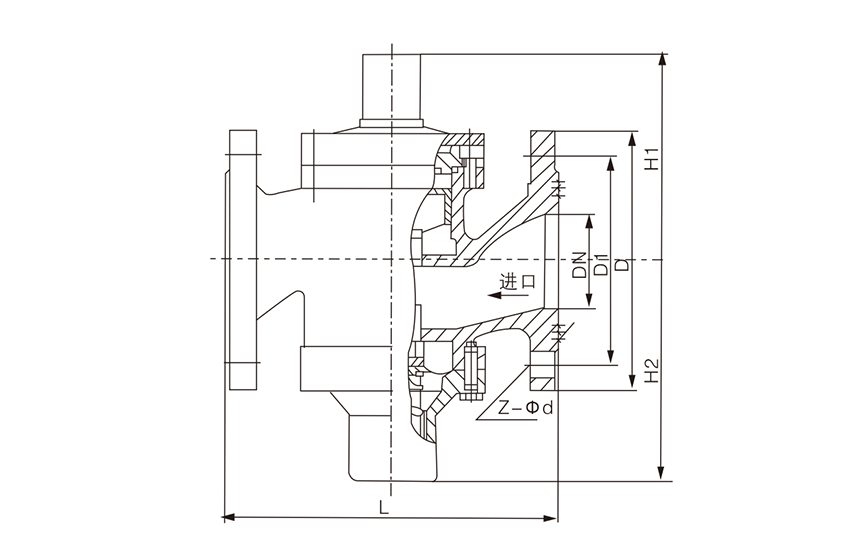
Nominal diameter DN (mm) | L | D | D1 | Z-φd | H1 | H2 | Flow control rang m³/h |
15 | 110 | threaded connection | 72 | 70 | 0.1-1 | ||
20 | 110 | 72 | 70 | 0.1-1.5 | |||
25 | 115 | 81 | 74 | 0.2-2 | |||
32 | 160 | 135 | 100 | 4-18 | 108 | 91 | 0.5-4 |
40 | 200 | 145 | 110 | 4-18 | 138 | 147 | 1-6 |
50 | 215 | 160 | 125 | 4-18 | 138 | 147 | 2-10 |
65 | 230 | 180 | 145 | 4-18 | 143 | 154 | 3-15 |
80 | 275 | 195 | 160 | 8-18 | 170 | 189 | 5-25 |
100 | 290 | 215 | 180 | 8-18 | 193 | 211 | 10-35 |
125 | 310 | 245 | 210 | 8-18 | 208 | 227 | 15-50 |
150 | 350 | 280 | 240 | 8-22 | 254 | 260 | 30-80 |
200 | 430 | 335 | 295 | 12-22 | 289 | 303 | 40-180 |
250 | 520 | 405 | 355 | 12-26 | 325 | 367 | 100-300 |
300 | 635 | 460 | 410 | 12-26 | 357 | 430 | 150-500 |
350 | 670 | 520 | 470 | 16-26 | 372 | 495 | 200-700 |
Note: The above data is for reference only. For details, please consult the company's sales department.
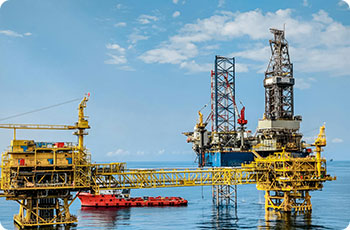
Oil and gas transportation involves multiple modes such as pipelines and ships, and is the core link of the energy supply chain.

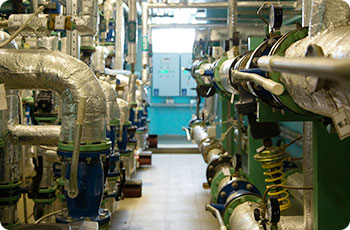
The control of chemical raw materials covers the entire process of mining, storage, and production, ensuring safety and process stability.

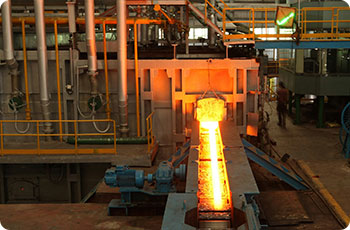
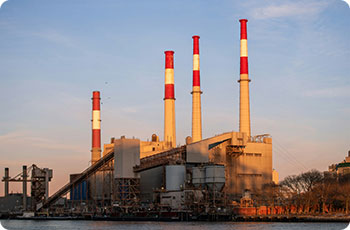
High temperature steam pipelines are the core of energy transmission in power systems, supporting the efficient operation of thermal and nuclear power plants.

Valves control fluids in multiple industries such as new energy and electronics, ensuring safe and efficient production.